Live visual score · Concert · 2021
Romeo and Juliet
My roleCo-creator · The Precursor Lab, Simon Fraser University
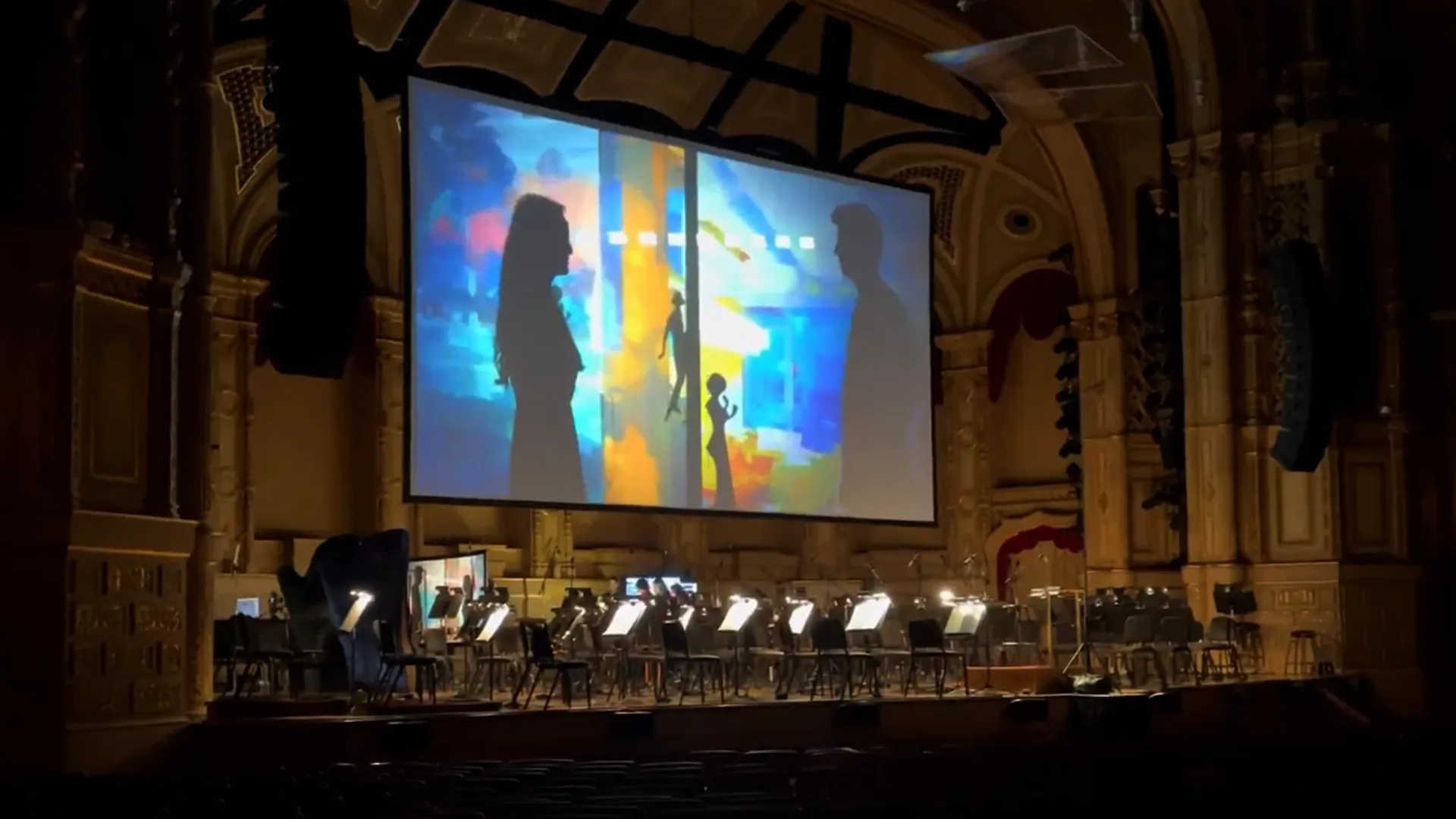
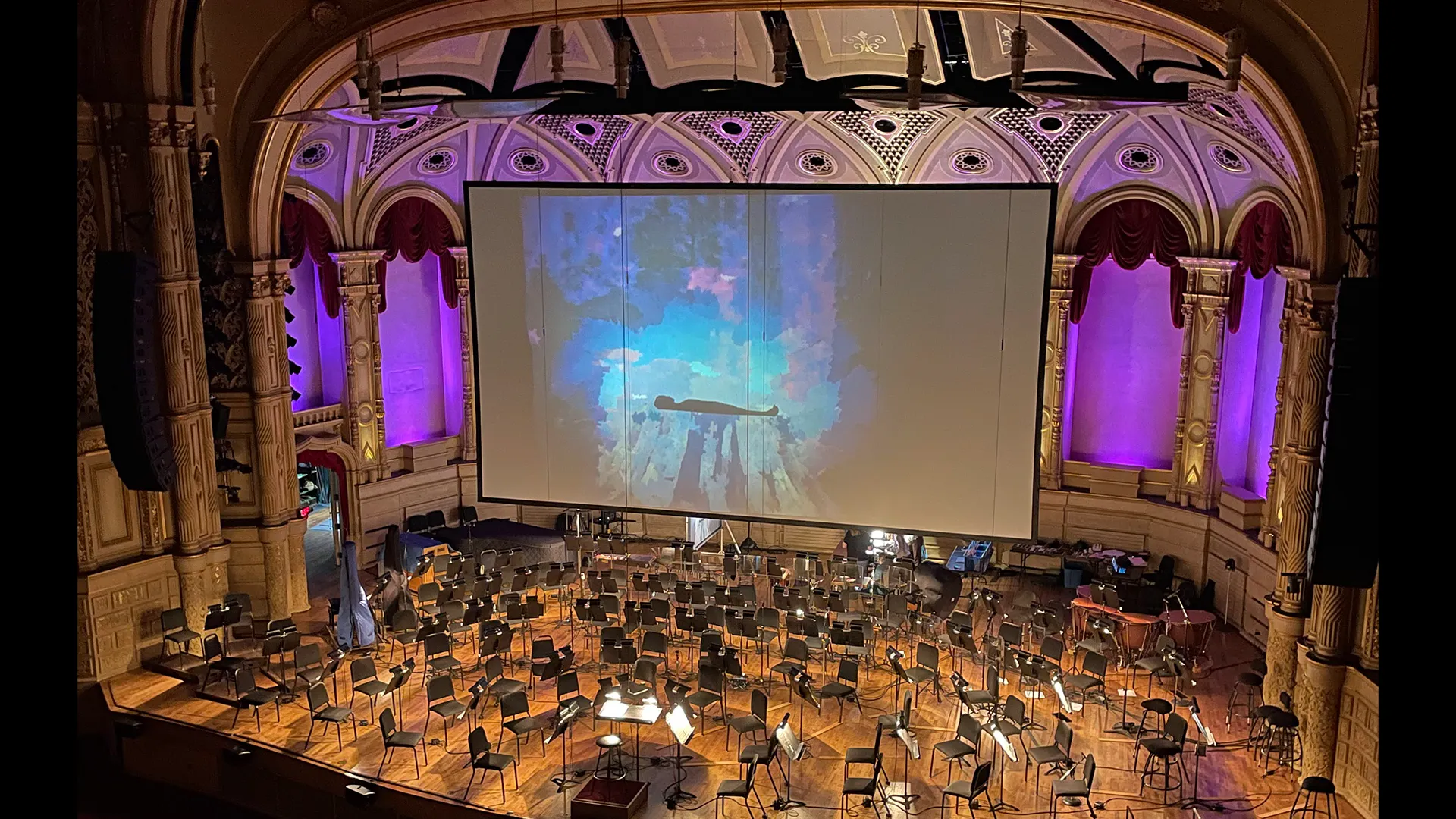
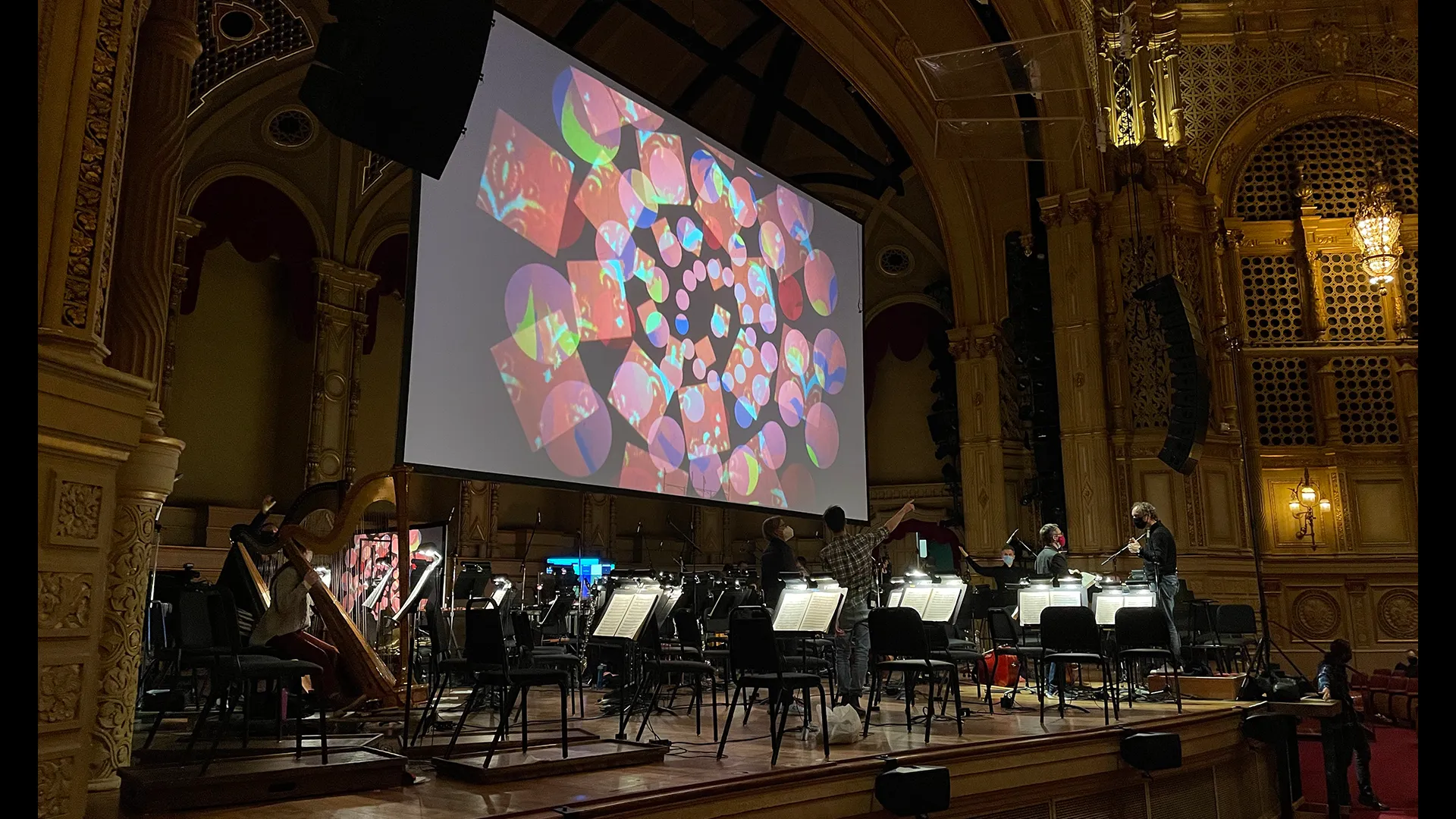
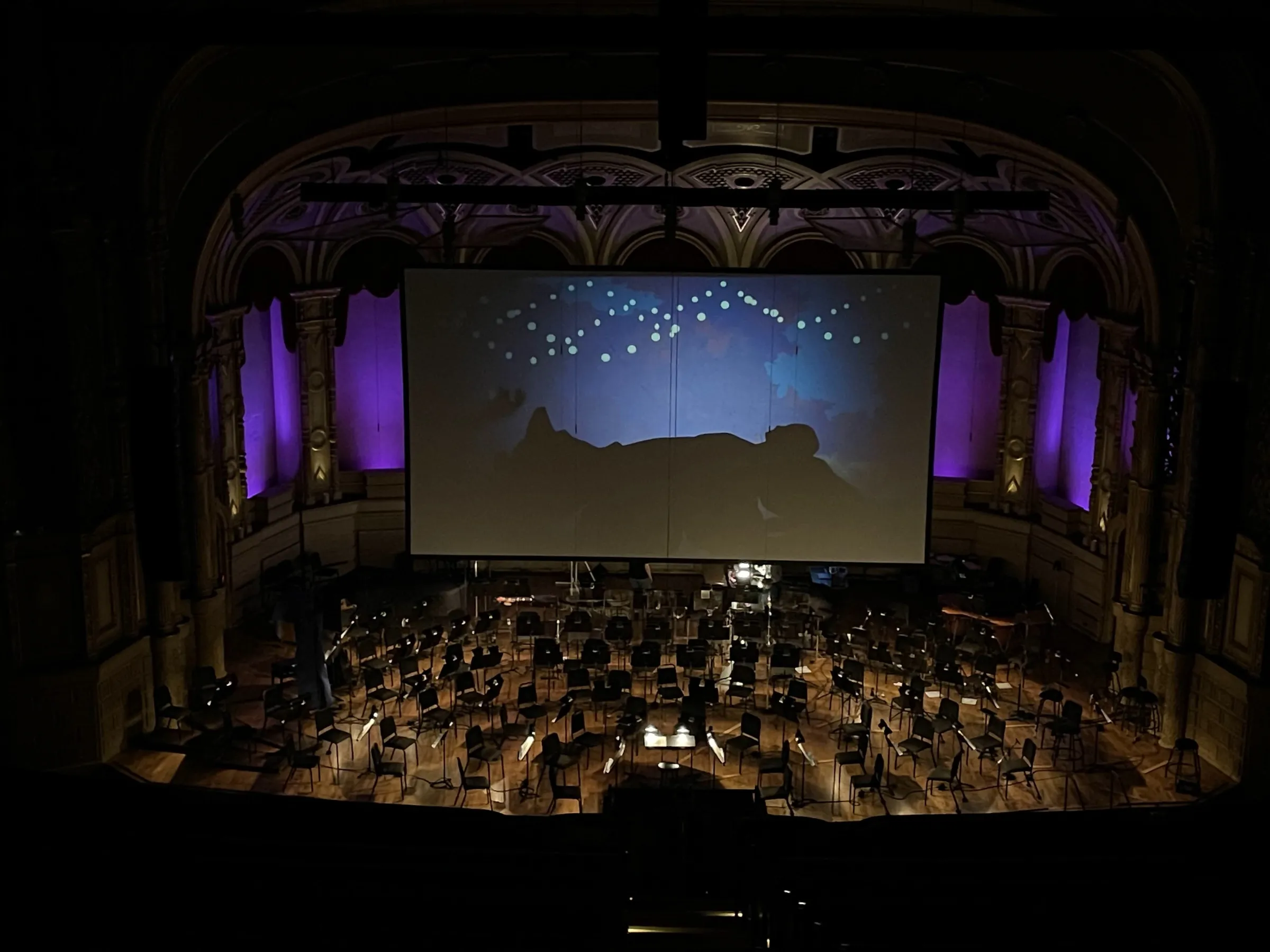
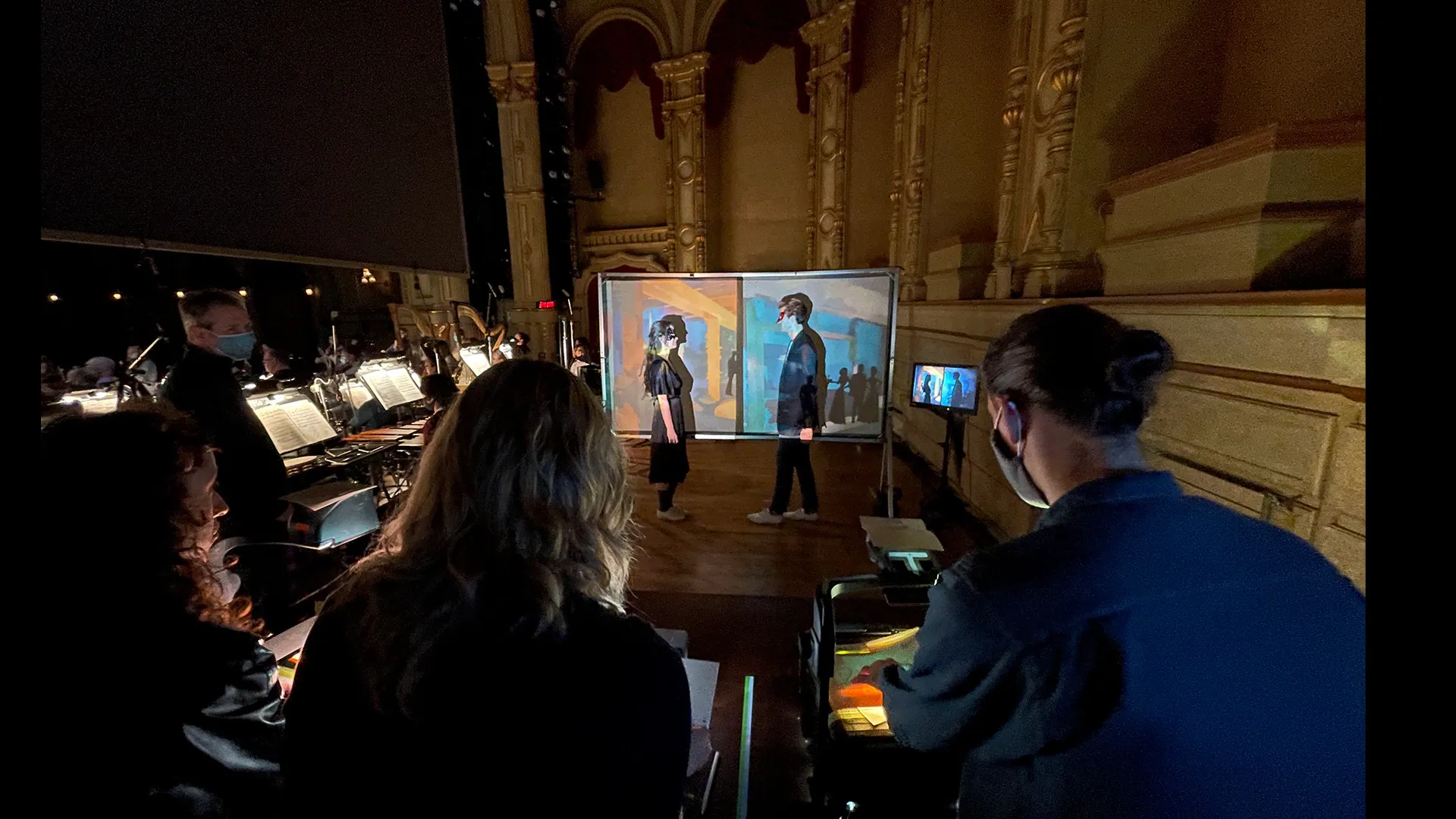
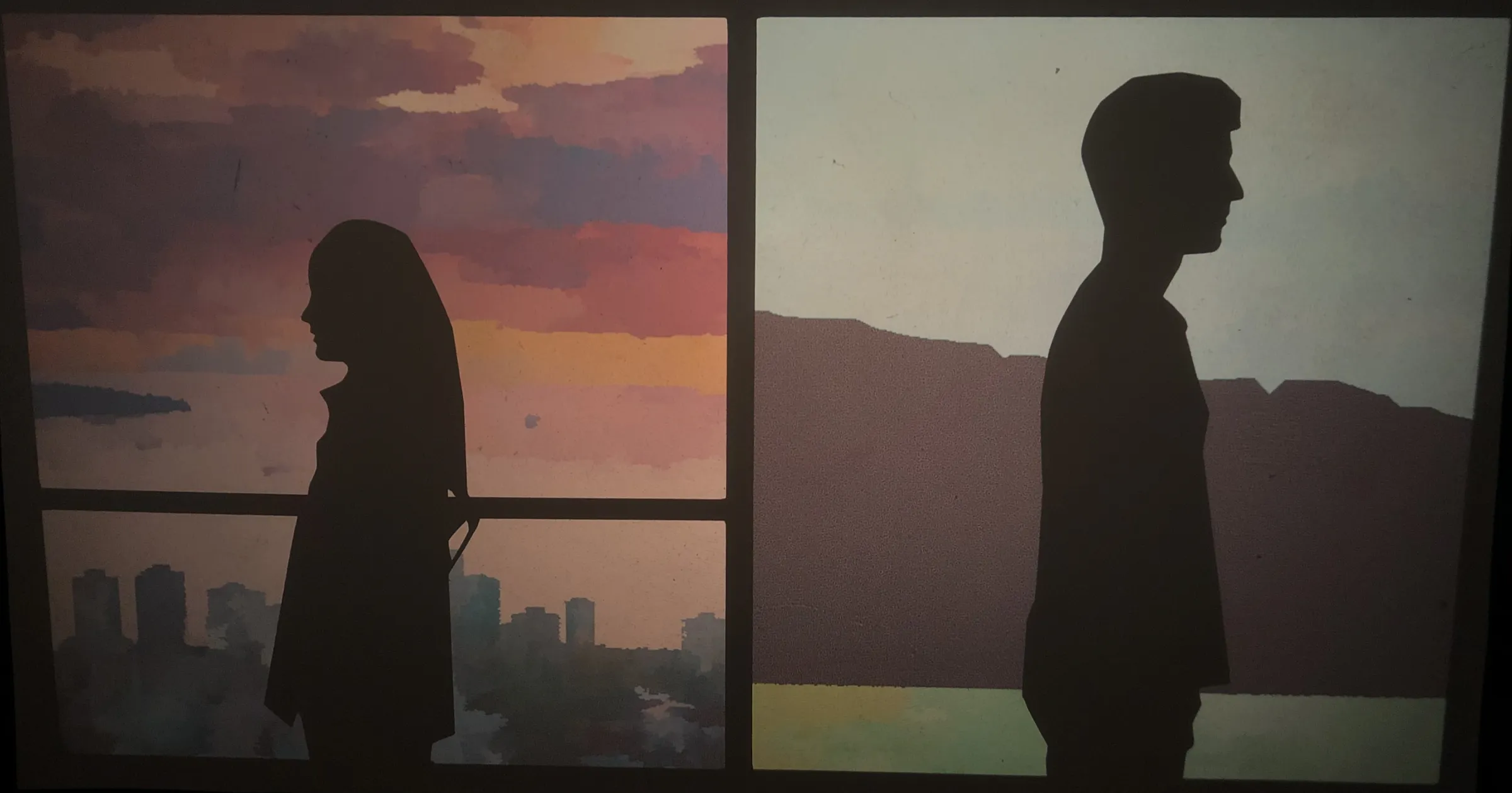
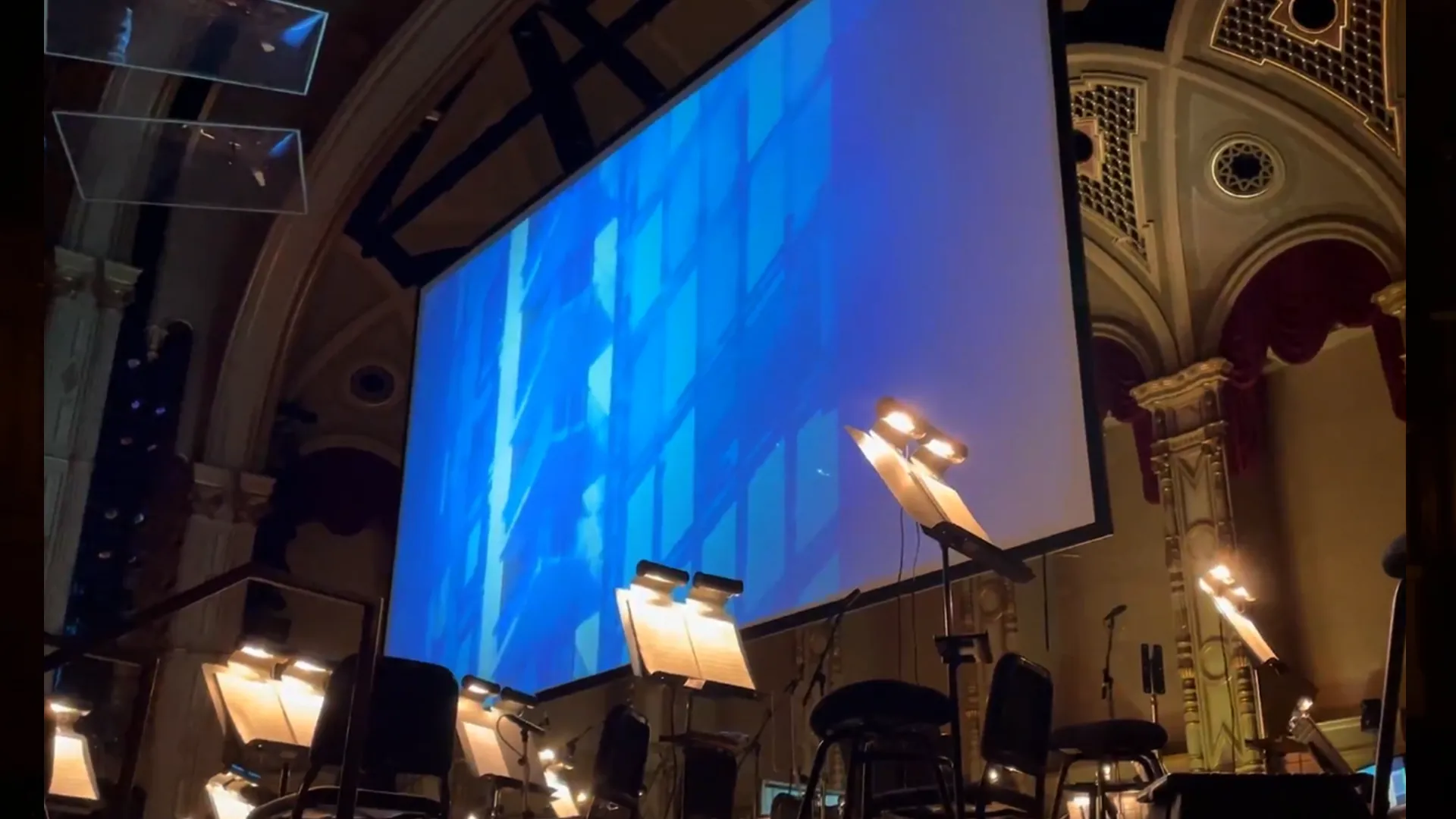
A live visual score for Sergei Prokofiev’s Romeo and Juliet, played by the Vancouver Symphony Orchestra: lo-fi handmade shadow puppetry, cinematic idiom and performers, layered to create a narrative seen both as it is assembled on stage and simultaneously on a large screen above the orchestra.
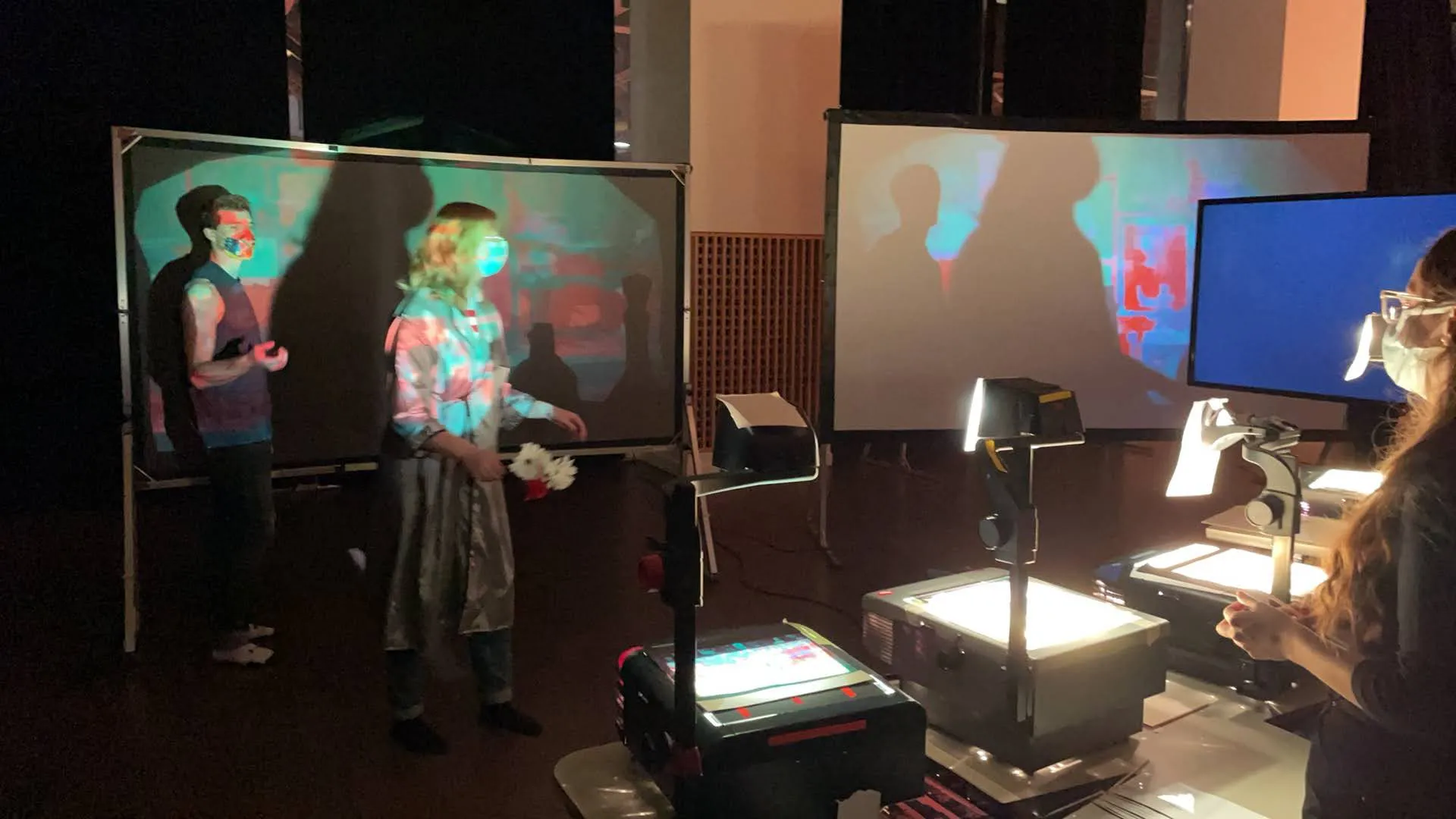
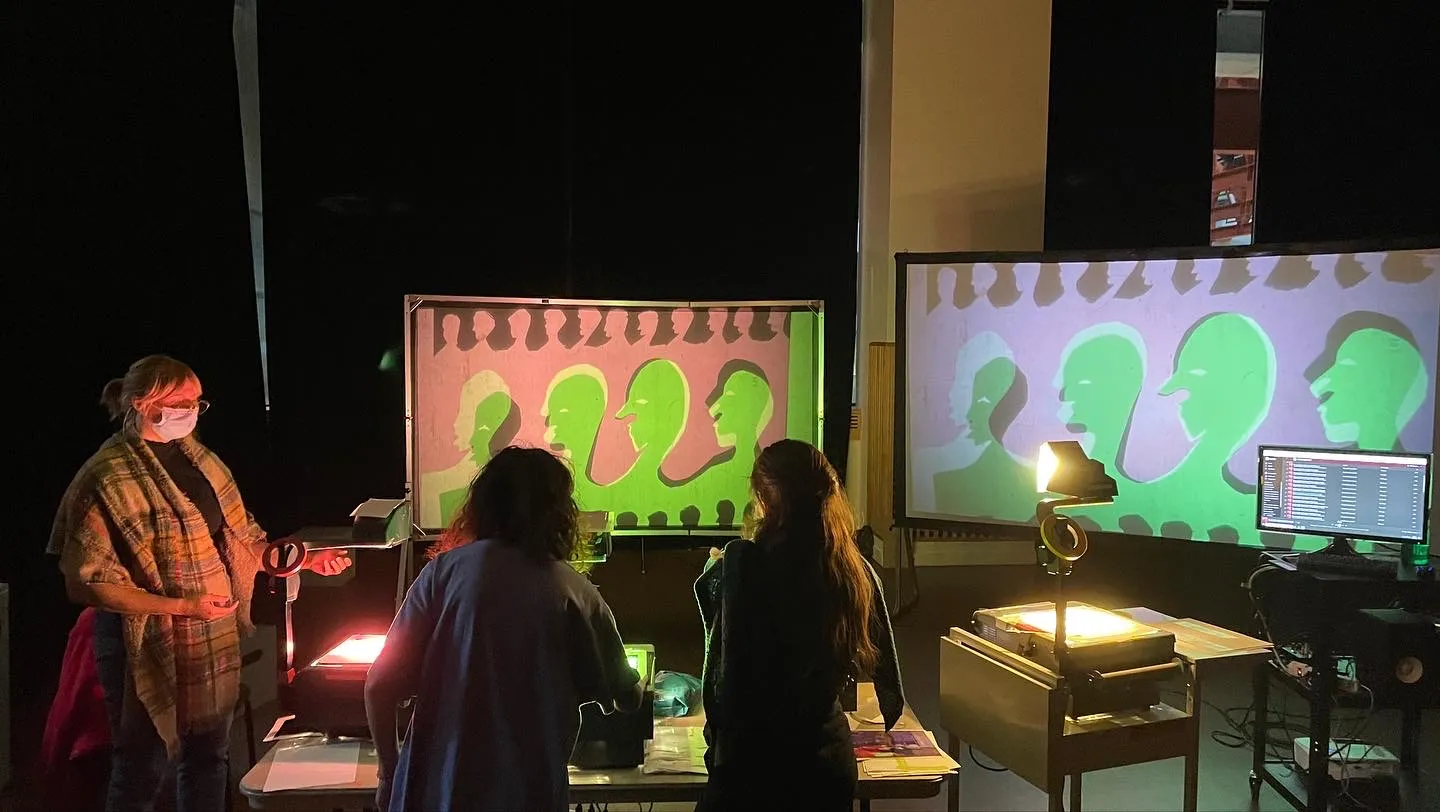
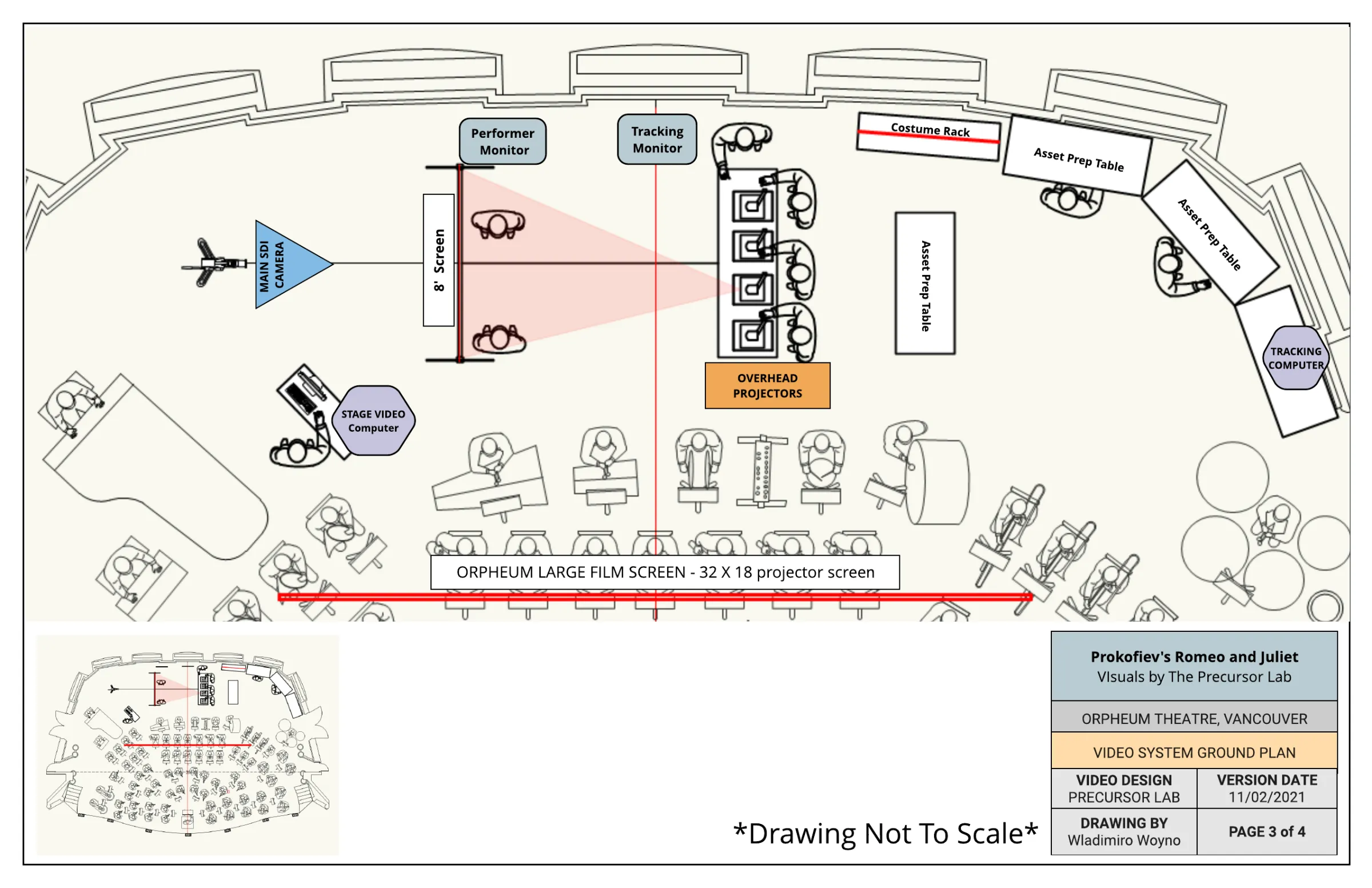
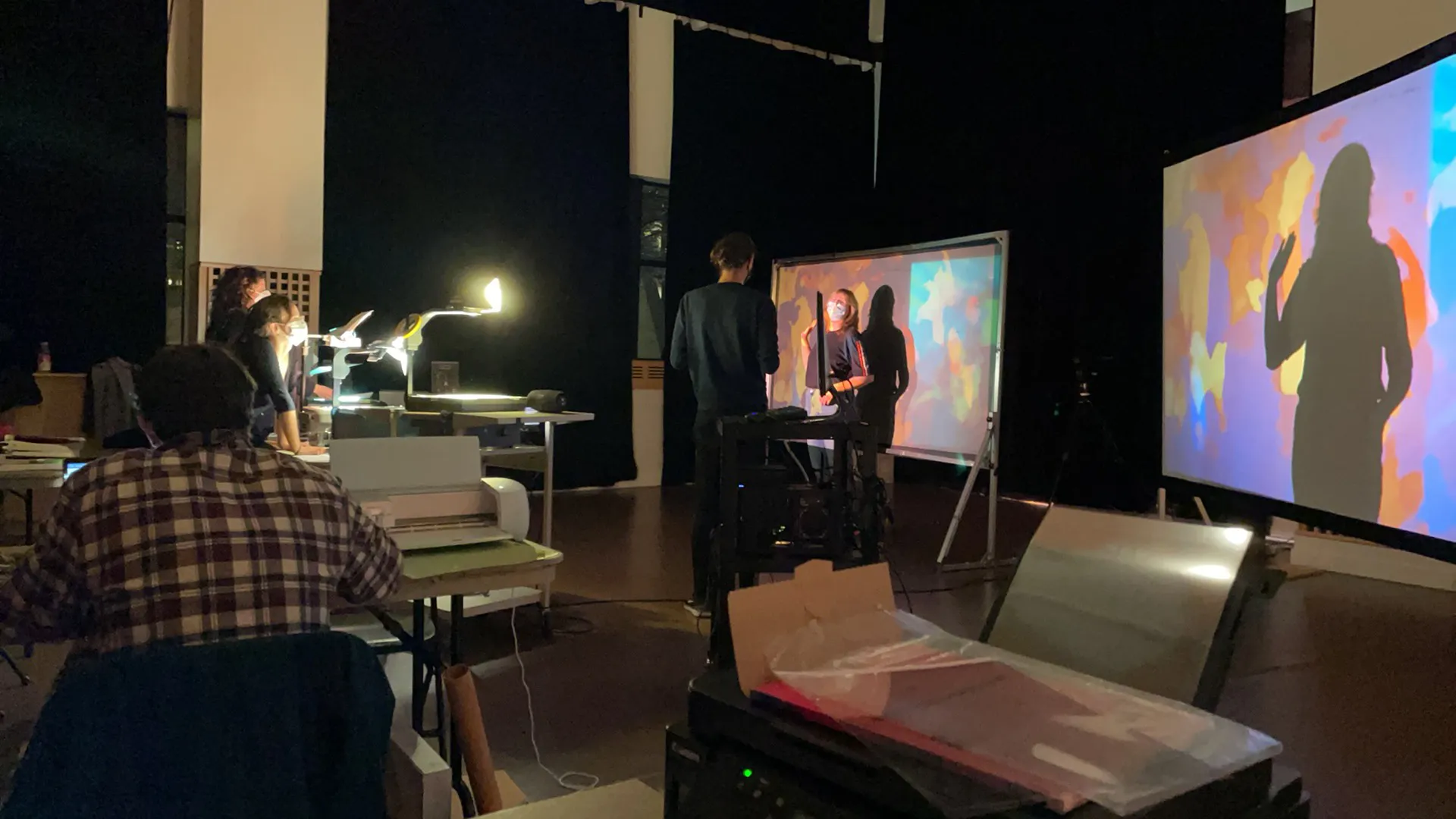
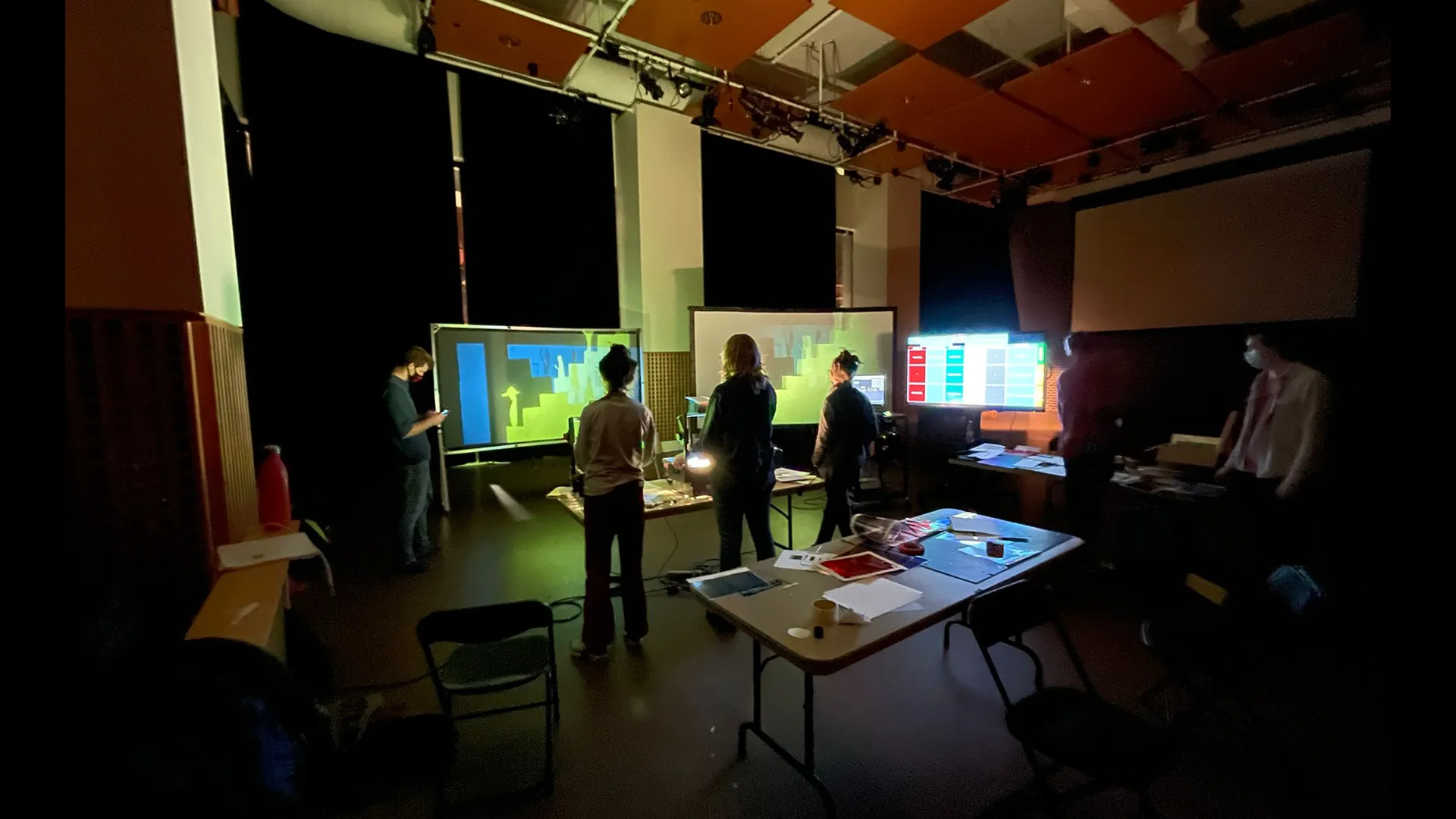
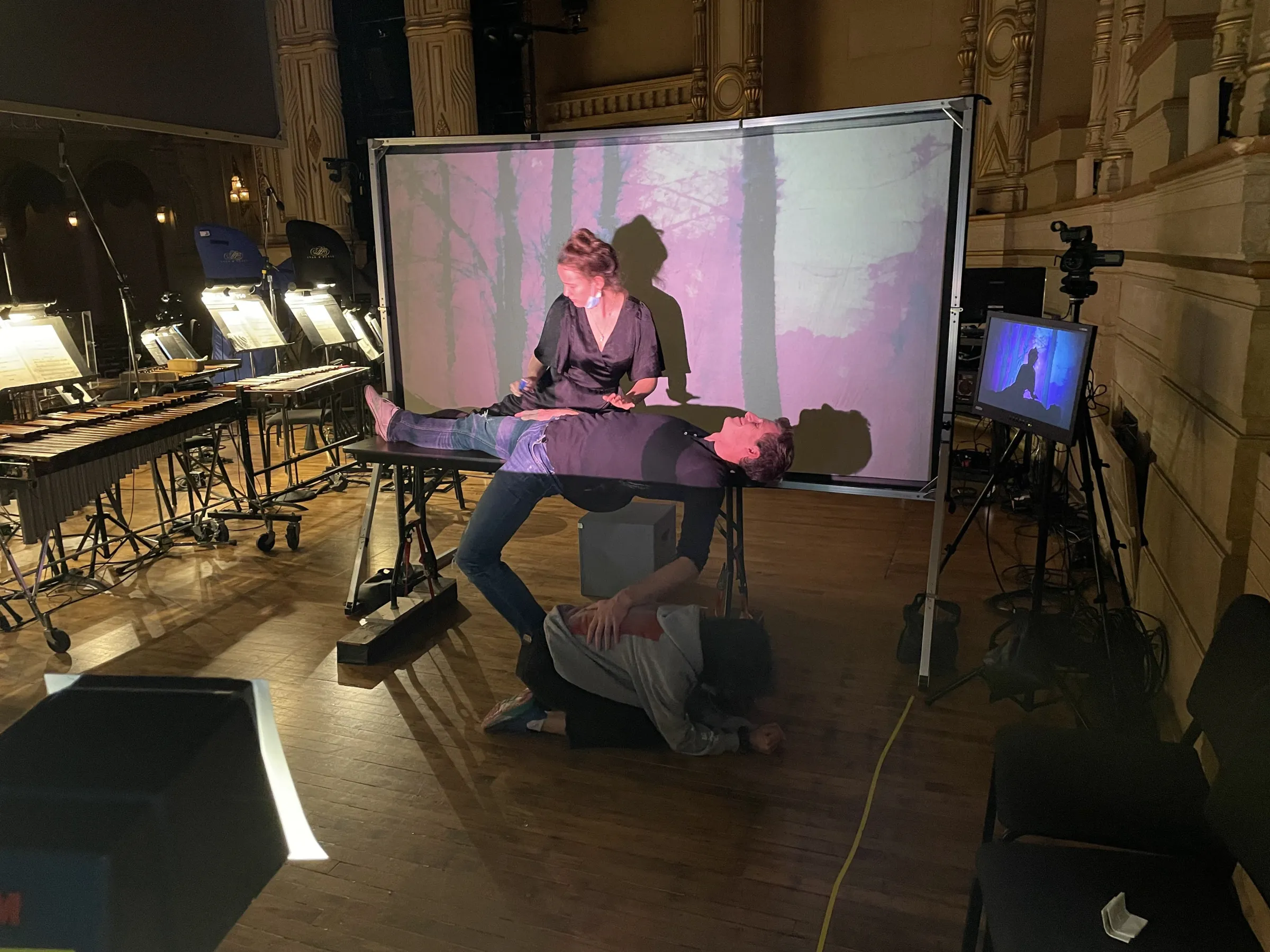
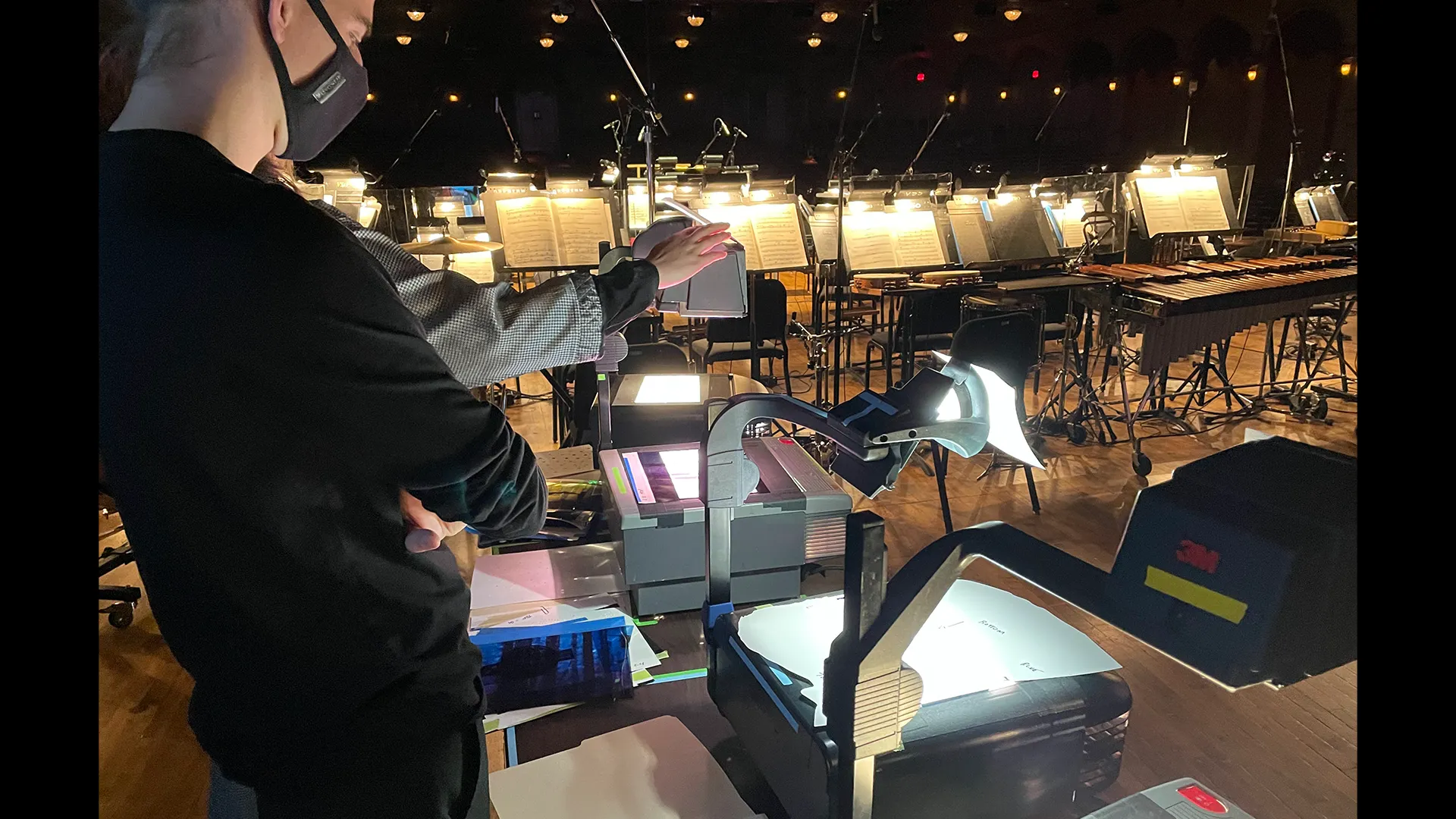
Vintage overhead projectors, live-feed digital cameras and performers combine 2D images, cut-outs and bodies in real time. The visual world was developed by Simon Fraser University’s Precursor Lab as a design-led creation process, spearheaded by Wladimiro A. Woyno R. with projection designer Amelia Scott and a team of recent graduates and current students of SFU’s School for the Contemporary Arts.
Presented in the VSO’s Musically Speaking series, designed to introduce new audiences to the symphony.
- Vancouver Symphony Orchestra and SFU’s Precursor Lab
- Conducted by Otto Tausk
- November 19, 2021
- Orpheum Theatre
- Vancouver, Canada
Video
Images
Credits
- MusicSergei Prokofiev, Romeo and Juliet, Op. 64
- Co-creatorsWladimiro A. Woyno R. and Amelia Scott
- VisualsThe Precursor Lab, Simon Fraser University
- OrchestraVancouver Symphony Orchestra, conducted by music director Otto Tausk
- Associate CollaboratorsKatayoon Yousefbigloo, Montserrat Videla Samper, Tobias Macfarlane, Jack Chipman, Megan Lane and June Hsu
- Collaborator, Dramaturg and ProducerBrian Postalian
- Production CoordinatorNicole Lamb
Process
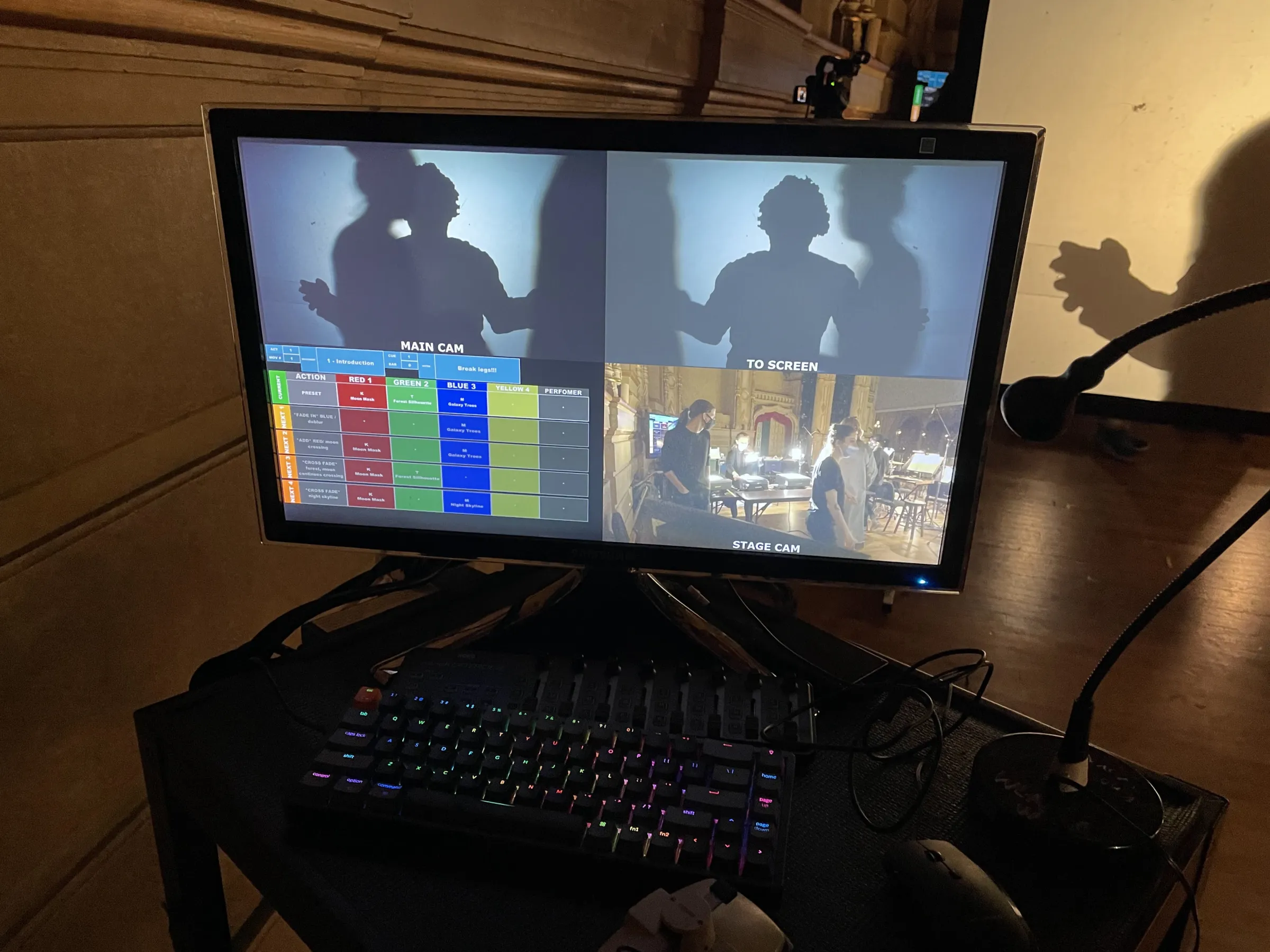
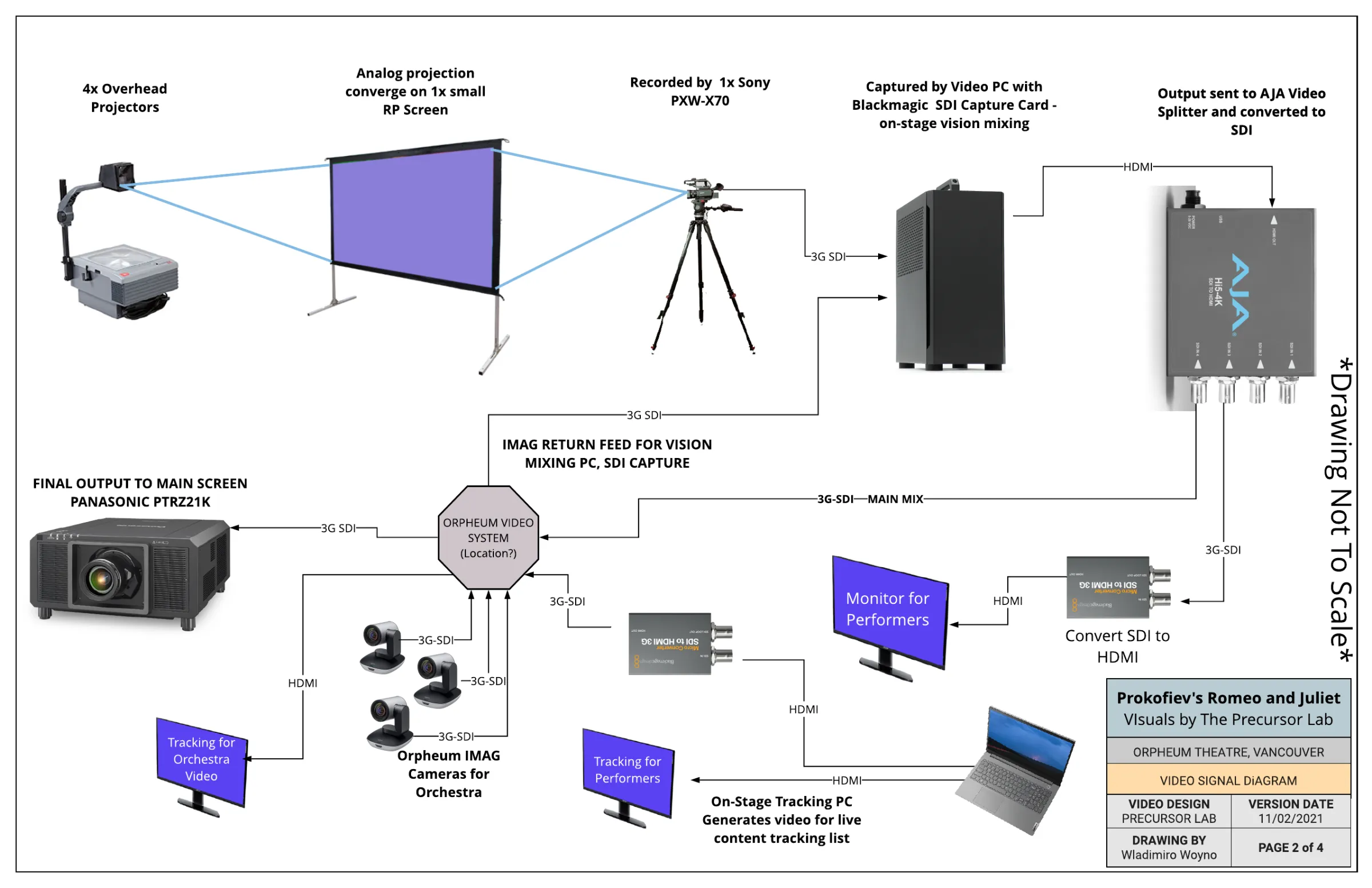
The orchestra wanted the whole ballet, not the suites, and had no budget for a film. The answer was a film made by hand, live: four overhead projectors converge on one 8-foot rear-projection screen, a camera takes the composite into a computer, and it is projected above the orchestra. The idea comes from shadow puppetry studied with Manual Cinema in Chicago and with Larry Reed in California.
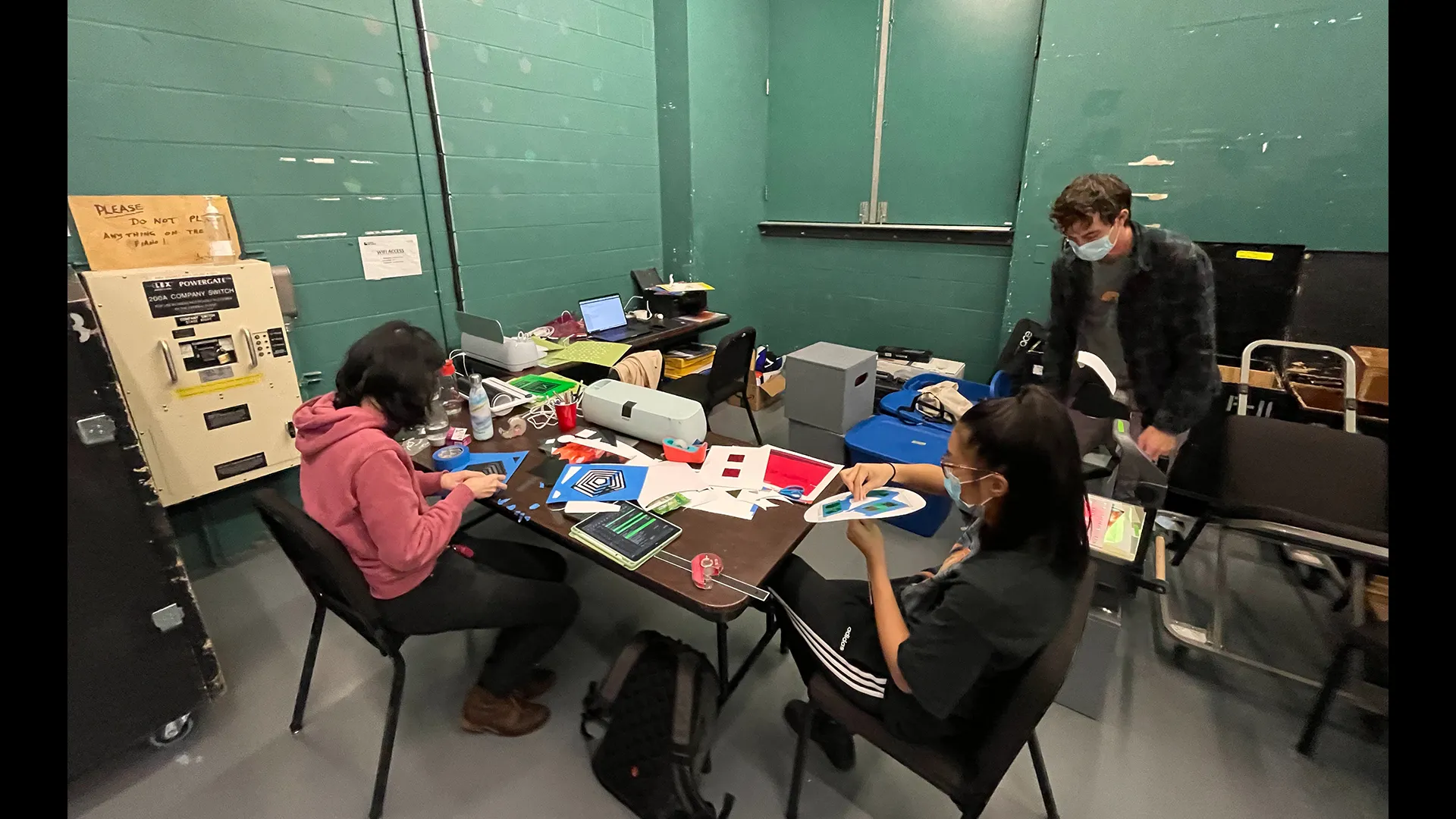
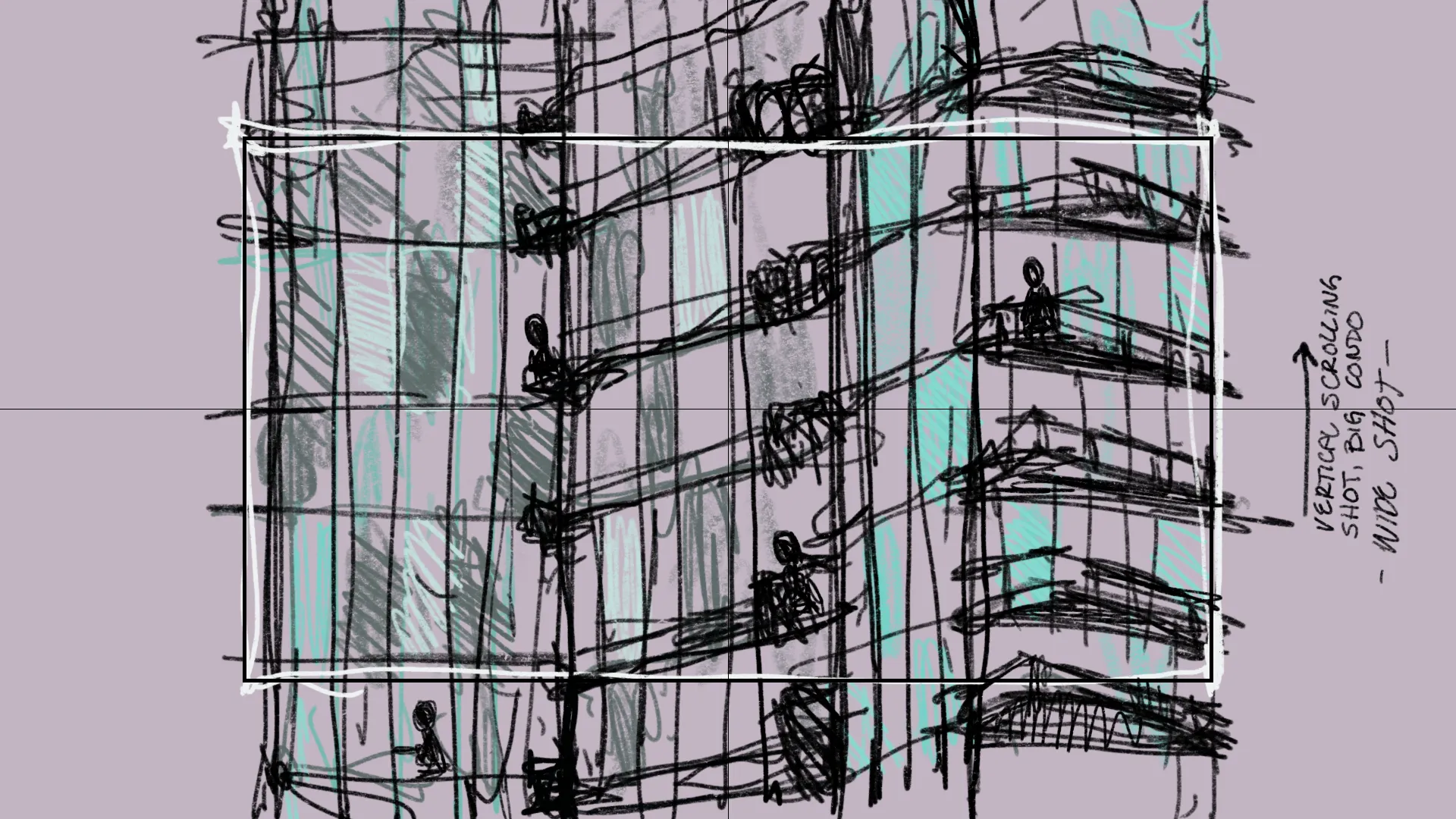
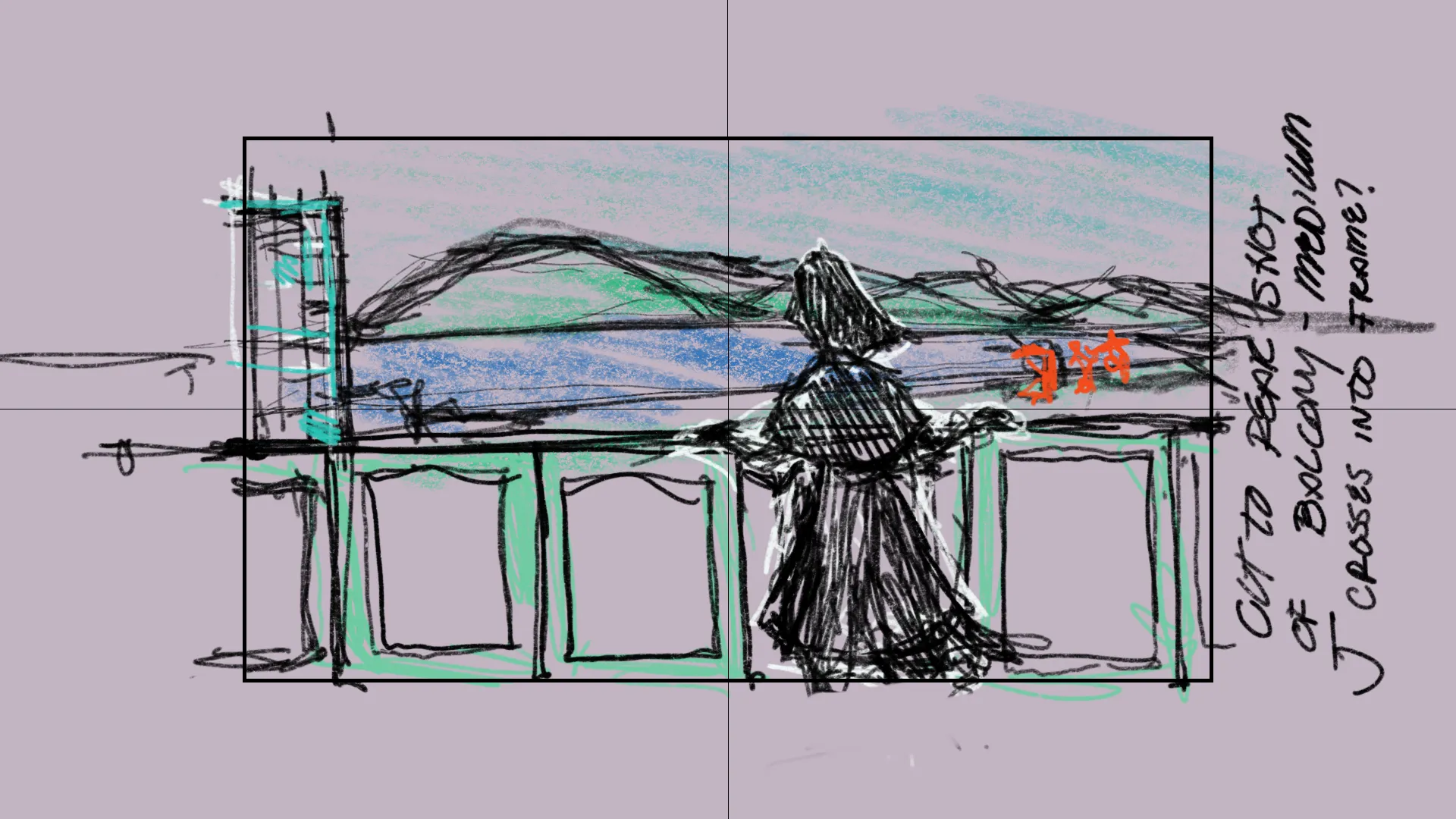
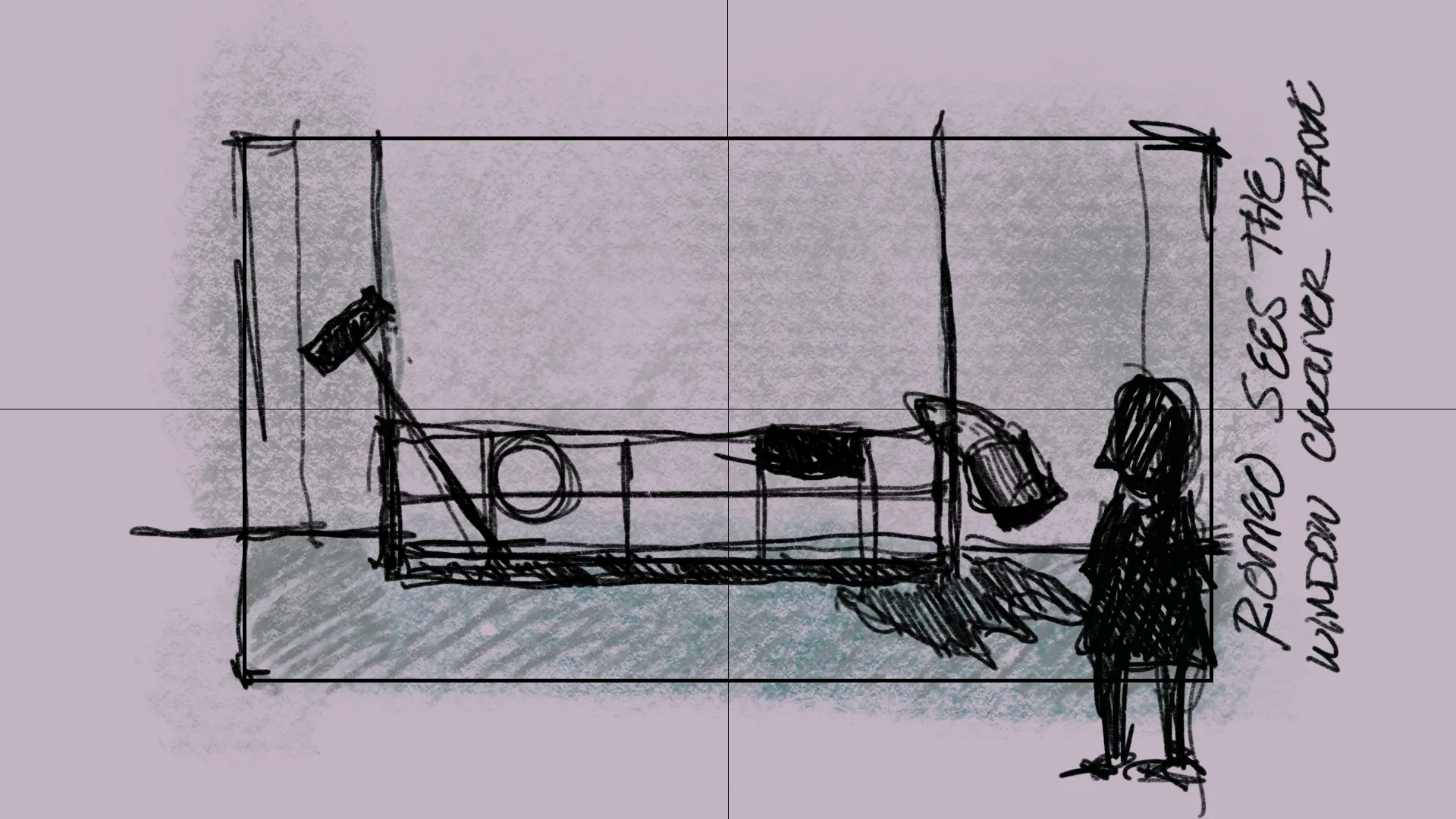
The story is set in present-day Vancouver: Juliet in a downtown condo tower, Romeo in a modest East Vancouver household. Photographs of the city were given a watercolour look in Studio Artist 5; other pieces were drawn by hand and cut from card stock, printed on transparencies, or cut on a vinyl cutter. A spreadsheet tracked the four overlapping channels — what had to be prepared, what was on stage, what was finished — and rehearsals ran against recordings of the score.